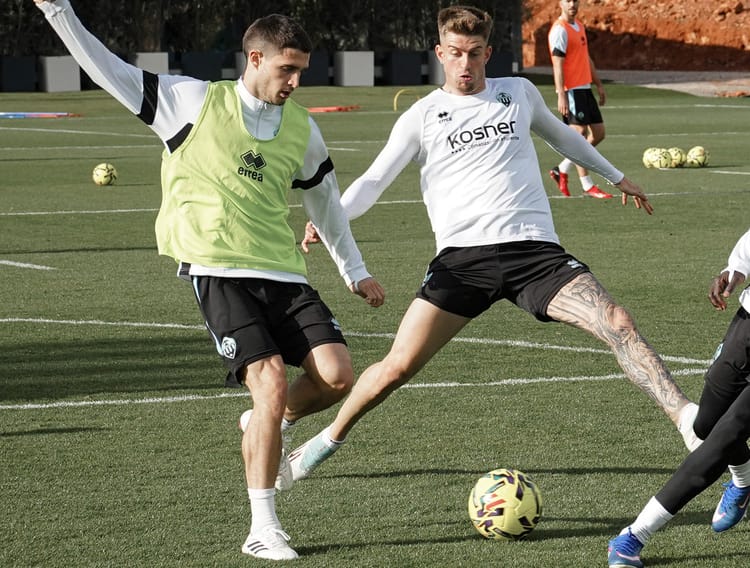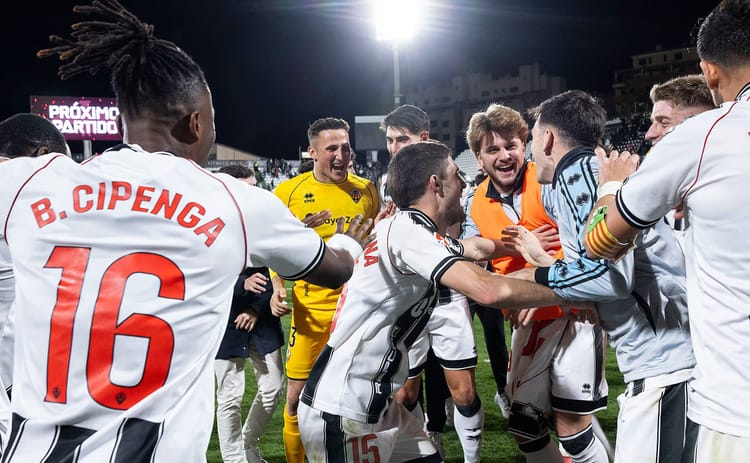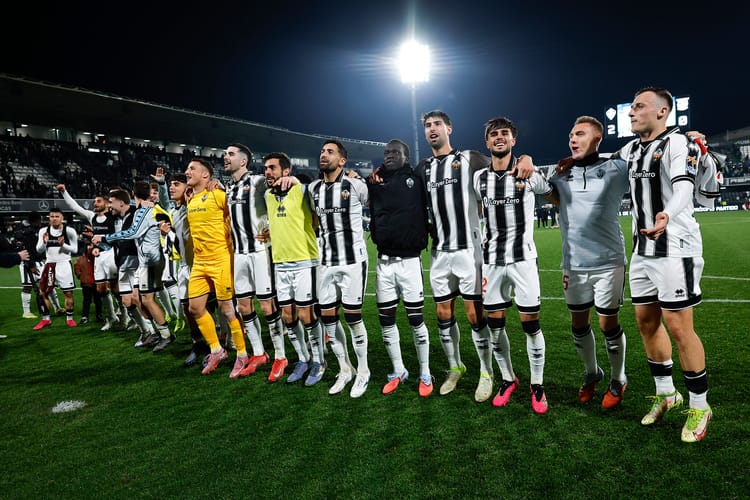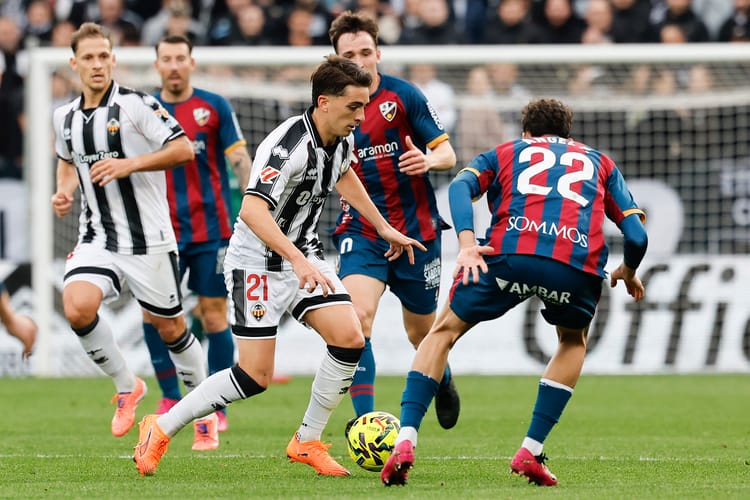
Football is played with eleven
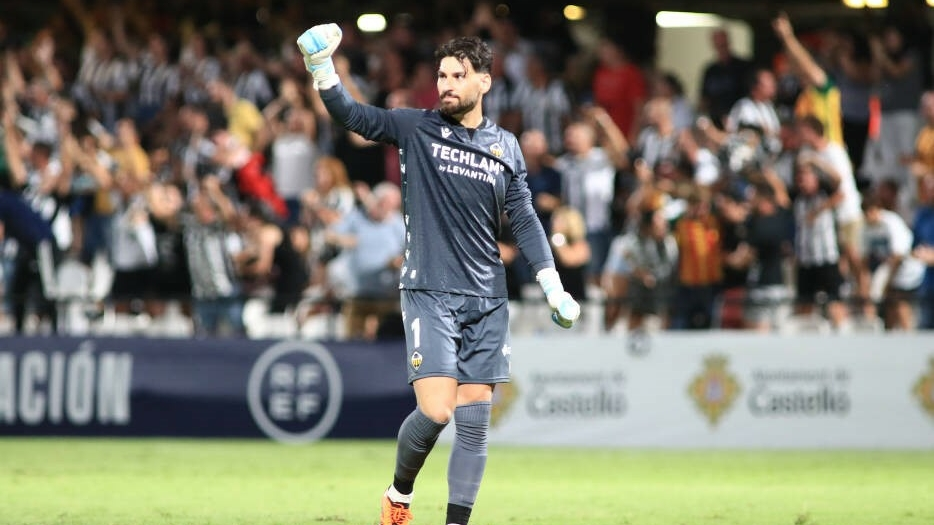
Football is a game with some basic rules, which have remained largely unchanged. I say largely because occasionally there are watershed moments. 2022 saw the thirtieth anniversary of arguably modern football’s most significant addition to the laws of the game - the back pass.
Prior to 1992, goalkeepers had no obligation to use their feet in open play. The only time their boot needed to come into contact with the ball was from a goal kick, which back then was an exercise in power over technique. After an Italia 90 World Cup that defined "anti-football," and a Denmark side that won the Euros in 1992 employing an "if in doubt, backpass it" strategy, lovers of the beautiful game were relieved when the 1992-93 season got underway with the new rule in place.
Many keepers were left like deer in headlights, as they either picked up the ball out of habit or miscontrolled it altogether. Soon though, things changed. That generation of stoppers retired, and a new one was born, much better trained in the technical arts. As positional play began to take hold of the game as a whole, and technicality became not just a nice-to-have but a must-have, the keeper became a football player in the true sense of the word. The "sweeper-keeper" was born.
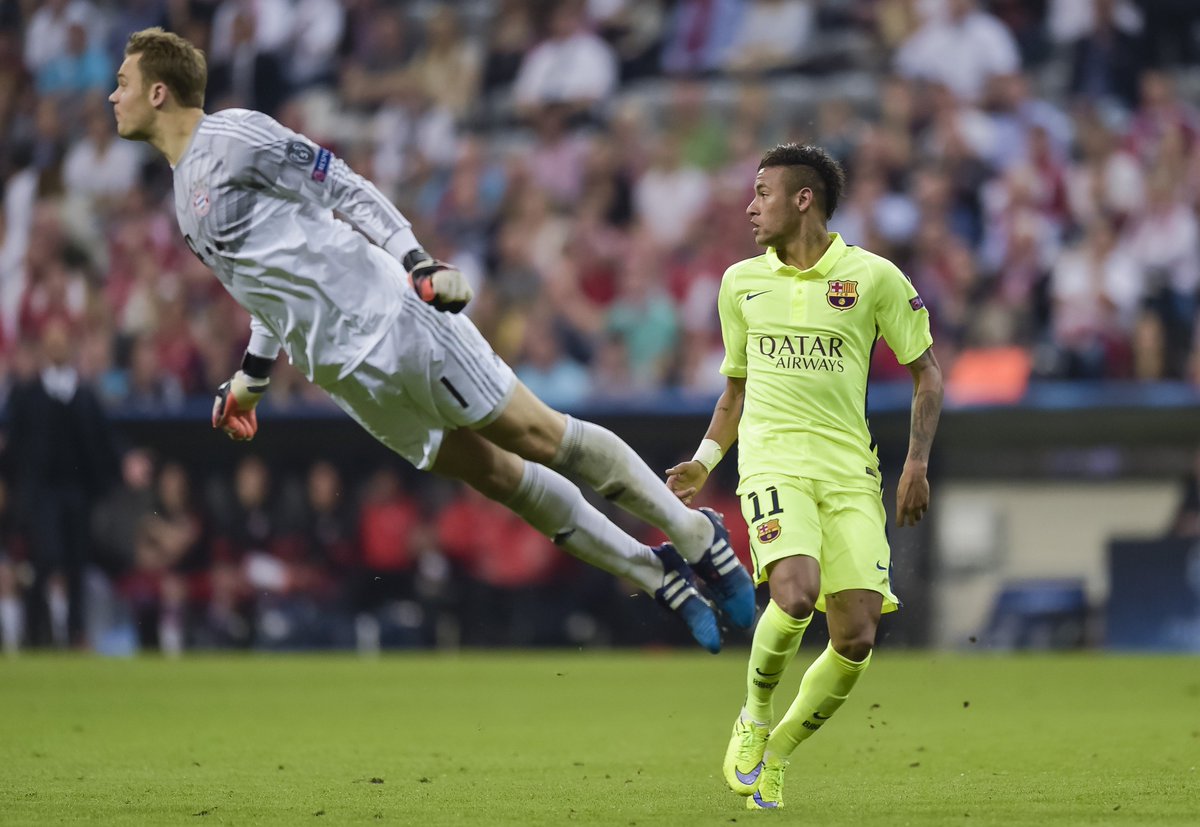
The figure who came to most represent this generation grew up in the shadows of the VELTINS-Arena in Gelsenkirchen. Germany had not been known for its fleet-footed keepers, but Manuel Neuer, and soon after Marc-André ter Stegen, totally changed the script. The former especially earned a reputation for often playing closer to the halfway line than his goal line, creating sequences like this, but also occasionally like this.
As Neuer’s halfway line escapades played out across TV screens worldwide, a young Gonzalo was watching. The boy moved to Spain from Argentina at a young age, young enough that not a trace of his Argentine accent remains. Coming up through the ranks at Valencia and Levante, he was taught to play with his feet as much as with his hands. After making a couple of appearances for Malaga and a season on loan at Badajoz, he landed in Logroño last year, where despite the team going down, he was their standout player.
Castellón made him their first signing of the summer, and despite some shaky preseason games, he has been faultless in competitive football so far this season. And it says a lot that despite saving every penalty he has faced so far this season and singlehandedly winning the club points with his reflexes, what has arguably stood out even more has been his role as a sweeper.
“The style that we play, we are often a long way from our own goal, so he often has to defend the first or the second pass, and that’s very difficult. It has nothing to do with the goalkeeping in the box; it has to do with the space that he has in front of him,” Castellón manager Dick Schreuder explained.
“His development has been very good. In the first four or five weeks, he was struggling. We could see that he could play; he was used to playing in tight spaces in training, but when the game came, suddenly there was a lot of space. He had to get used to that. He coped very well with the pressure, both from me and the supporters.”
Gonzalo’s decision to play the ball longer against Intercity earlier was one of the reasons Castellón were able to gain the upper hand. Against Alcoyano two weeks ago, Dick asked him to come forward and cover balls in behind, and he made several key clearances to prevent them from getting any dangerous chances.
As with many systems in today’s football, from Guardiola to Klopp, it seems like having a keeper who can do those things is a prerequisite. In the same way that once upon a time, it was possible to play in the NBA without being able to shoot from distance, nowadays it is impossible to lace up without being able to hit it from deep. The modern keeper needs to not only be able to play in his box but also as a last defender. And if you didn’t grow up playing that way, you learn.
Castellón signed American Brian Schwake after a spell in Scotland and playing college football at DePaul. With the demands of Scottish football no doubt different from a high-paced, all-out attacking Schreuder team, there was a need to adapt quickly to fight for a first-team spot.
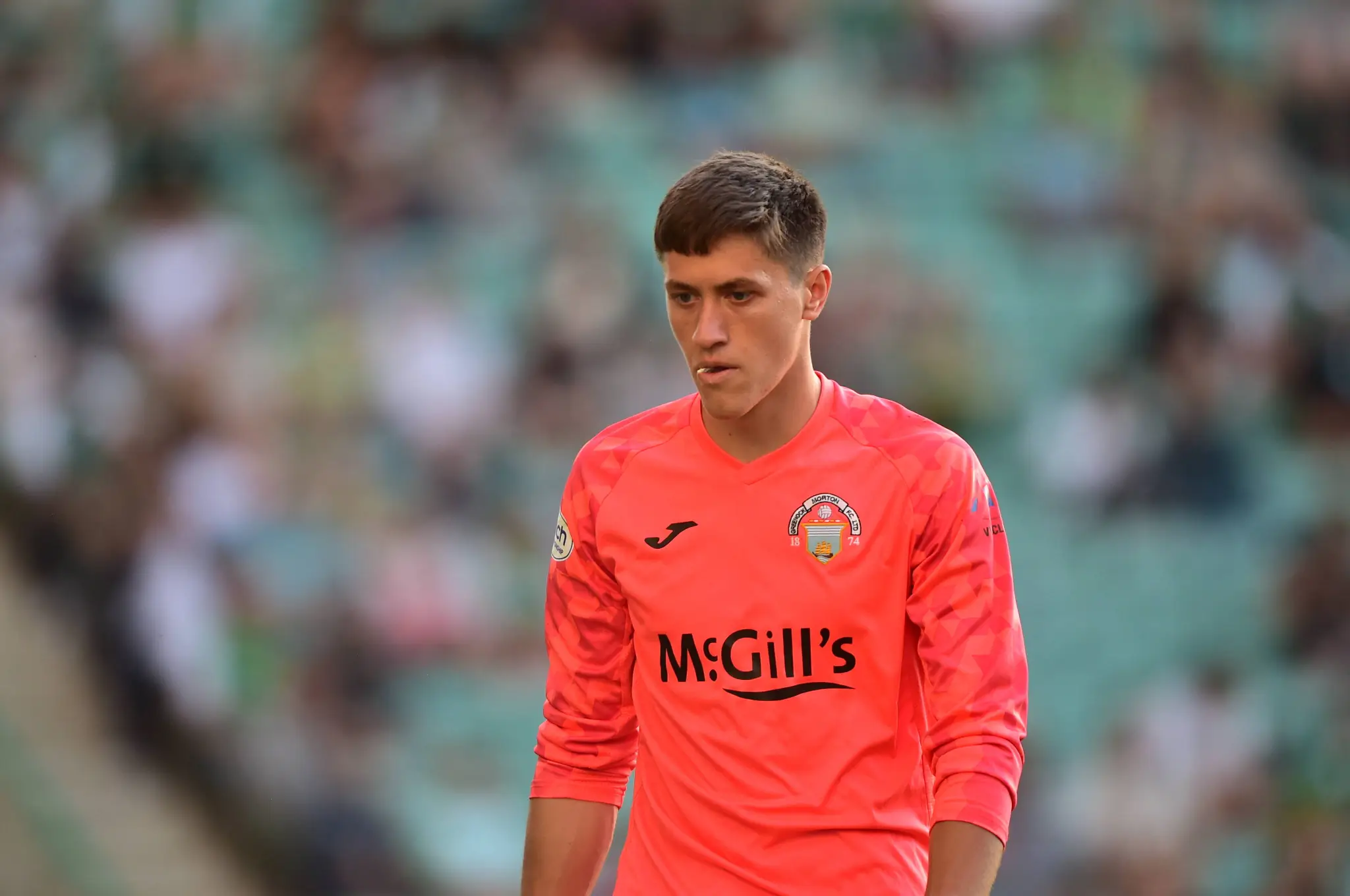
“If you look at his development, together with Carlos the goalkeeping coach, it’s amazing. He’s developed so well, that’s why I trusted him for the cup game [against Cacereño]. He shows in training his development and desire to be a better player,” Schreuder commented.
It’s clear that a player who learns the sweeper role from an early age has an advantage, but Schreuder believes it’s possible to learn, at least "good enough" to fit his system.
“It’s the total package,” Schreuder continued. “Having a good goalkeeping coach, other coaches with exercises, and in the end, it starts with the trust that he’s allowed to make mistakes in training.”
In futsal, when you are losing with a few minutes to go, you swap the keeper for an outfield player and leave your own goal unattended. We might not have reached that point yet on grass, but goalkeepers are clearly more than ever part of the attacking play. The sweeper role has changed position. Out with Beckenbauer, Blason, and Scirea, and in with Neuer, Ederson, and Crettaz. As if it was ever in doubt, the beautiful game is well and truly played with eleven.